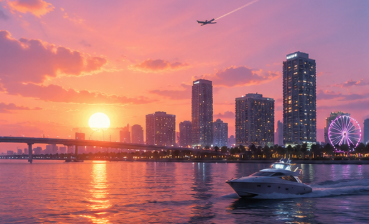
Weather in GTA 6 is more than a visual change across Leonida. Tropical storms, heavy rainfall, sea fog, and strong winds can create different conditions across the map, potentially changing how players drive, travel by boat, and approach outdoor activities. Players planning their GTA 6 Money spending should consider these environmental conditions when choosing vehicles and preparing equipment.
Unlike a weather effect that covers the entire map at once, the system features localized conditions. Vice City may remain relatively clear while dark storm clouds develop over the surrounding wetlands or coastline. This creates a more dynamic open world where checking the weather and adjusting travel plans can become part of normal gameplay.
How Weather Changes Across Leonida
Different parts of Leonida can experience different weather conditions at the same time. Coastal districts, urban streets, swamps, and open highways each have their own environmental characteristics.
The weather conditions shown so far include:
- Tropical storms: Heavy rainfall, strong winds, and changing conditions around coastal areas.
- Sea fog: Thick fog moving inland from the ocean, particularly around Vice City and waterfront locations.
- Ground mist: Low-lying mist in humid rural environments and swamp areas.
- Storm fronts: Dark clouds and approaching rain systems moving across open landscapes.
- Rough ocean conditions: Strong waves and unsettled water near coastal locations, including the Rusty Anchor.
- Lightning: Electrical storms accompanied by towering clouds and heavy rainfall.
These regional differences give players more reasons to pay attention to their surroundings. A route that is easy to navigate in clear weather may become less convenient when rain or fog moves into the area.
Tropical Storms and Coastal Travel
Tropical storms are among the most noticeable weather features in Leonida. Heavy rain and strong winds can change the atmosphere along the coastline, while rough ocean conditions make water-based travel an important part of weather planning.
Players heading toward offshore locations should consider the surrounding water conditions before choosing a boat or jet ski. Rough waves may make steering more difficult and reduce control during longer journeys. Taking a coastal road or using a bridge could be a more practical alternative when the ocean becomes difficult to navigate.
The Rusty Anchor and surrounding coastal areas provide useful locations to watch for changing water conditions. Instead of automatically choosing the shortest route, players should consider whether a land-based journey offers a more predictable way to reach their destination.
The weather system includes tropical storms and hurricanes, although their exact frequency, duration, and effects on the environment have not been established.
Driving Through Rain and Flooded Roads
Heavy rain changes the driving experience by reducing visibility and making road surfaces appear wet. Reflections from streetlights and headlights can make nighttime driving particularly challenging, especially when traffic is moving through busy city districts.
Practical driving considerations
- Reduce speed before approaching sharp corners or intersections.
- Avoid sudden steering movements when travelling on wet roads.
- Use headlights to improve visibility during heavy rainfall.
- Pay attention to road reflectors when lane markings become difficult to see.
- Choose familiar routes when visibility is poor.
Low-lying roads and areas with standing water also deserve attention. Persistent puddles can make certain routes less convenient, particularly when driving at high speed. Players should avoid assuming that every road will remain equally accessible during severe weather.
For missions involving vehicle escapes, choosing a manageable route may be more useful than simply taking the shortest distance. A slower but predictable road can help prevent unnecessary delays during difficult driving conditions.
Fog and Mist: Visibility Across the Map
Fog creates a different challenge from rainfall. While heavy rain affects the entire driving environment, thick fog reduces the distance at which players can identify buildings, vehicles, pedestrians, and other obstacles.
Sea fog can move inland from the coastline, while humid rural environments may develop low mist close to the ground. This gives different parts of Leonida their own atmosphere and can make familiar locations feel noticeably different.
When travelling through foggy areas, players should:
- Stay on recognizable roads instead of taking unfamiliar shortcuts.
- Reduce speed when approaching intersections and narrow paths.
- Avoid high-speed driving near waterfronts and other areas with limited visibility.
- Use recognizable landmarks to maintain their sense of direction.
Boating also becomes more challenging when fog obscures the coastline. Players travelling toward docks, islands, or offshore destinations may need to slow down and pay closer attention to their surroundings.
How Severe Weather Affects Missions
Weather can change the conditions surrounding a mission without necessarily changing its main objective. A getaway through a rainy city, for example, may require different driving decisions from the same route in clear weather.
Several situations are worth considering:
| Mission Situation | Weather Consideration |
|---|---|
| Vehicle escape | Wet roads and reduced visibility may make high-speed driving harder |
| Coastal missions | Rough water can complicate boat travel |
| Rural exploration | Ground mist can make landmarks and paths harder to identify |
| Nighttime encounters | Rain, darkness, and reflections can affect visibility |
| Outdoor activities | Changing conditions may influence route selection and movement |
Players should also consider the direction of approaching storm fronts. If a storm is moving toward the mission area, choosing an alternative route or preparing another vehicle may help avoid unnecessary complications.
Rather than treating bad weather as an automatic disadvantage, players can adapt their approach to the conditions. Reduced visibility may create different opportunities during an escape, while a poorly chosen vehicle can make the same situation more difficult.
Which Activities Are Best Suited to Different Weather?
Not every activity needs to be approached in the same way when conditions change. Boating, fishing, hunting, and long-distance driving all depend on different environmental factors.
- Boating: Calm water is more convenient for longer journeys, while rough conditions call for more careful navigation.
- Fishing: Players may prefer to choose accessible fishing locations when heavy rain or coastal conditions make travel less convenient.
- Hunting: Fog and mist can make it harder to follow movement through vegetation and rural terrain.
- Exploration: Clear weather makes it easier to identify landmarks, inspect unfamiliar locations, and plan routes.
- Highway driving: Wet roads and reduced visibility make vehicle control more important than maximum speed.
This also gives players a reason to adjust their plans instead of repeatedly attempting the same activity under unfavorable conditions.
Preparing Your Vehicles and Equipment for Leonida’s Weather
Vehicle selection should take the environment into account. A fast sports car may be suitable for open highways, but a more manageable vehicle could be preferable when travelling through wet city streets or narrow rural roads. Similarly, boats are useful for reaching offshore locations but may not always be the most convenient option during tropical storms.
Before committing resources to a new vehicle or equipment upgrade, consider where you expect to use it. A balanced selection of land and water transportation can provide more flexibility across Leonida.
Players interested in GTA 6 Boosting should also account for changing weather when planning mission routes and progression strategies. Efficient travel will depend on more than distance alone: road conditions, visibility, water movement, and the location of approaching storms can all influence the best approach. Adapting to these conditions can help reduce unnecessary detours and make exploration across Leonida more manageable.