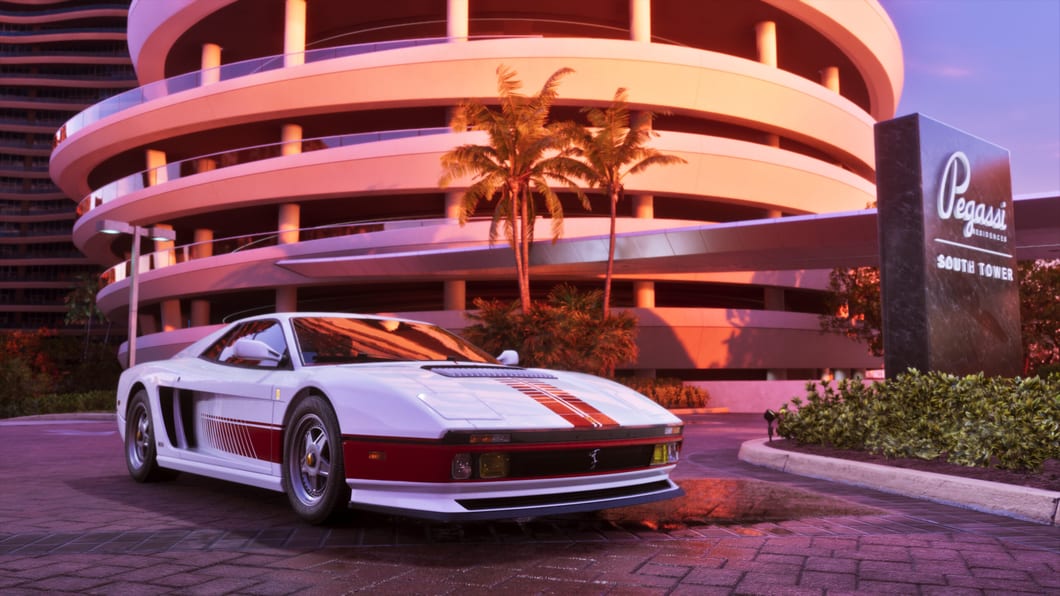
The fastest car in GTA 6 cannot be named responsibly without comparable in-game tests. This guide has no verified dataset that records vehicle speeds alongside platform, game version, modifications, and repeatable test conditions. It therefore provides no numbered ranking or claimed top-speed winner.
For players comparing GTA 6 Accounts to build a vehicle collection, check documented ownership, account progress, and acquisition requirements separately from performance claims. A garage listing does not establish how a car accelerates, brakes, or performs during a pursuit. Unverified unlocks and advertised speed advantages should not influence your vehicle shortlist.
For escape driving, compare the entire route. A top-speed result answers what happens on a sufficiently long straight. It does not establish which car reaches the next junction sooner, stops predictably, or completes a tight turn without contact.
What Qualifies a Car for the Ranking?
A usable result needs enough detail for another player to reproduce it. Each vehicle entry should include:
- Platform and game version: Exact console model, build number, and relevant graphics or performance settings.
- Vehicle configuration: Stock specification or a complete list of installed modifications.
- Test route: Start and finish markers, road direction, surface, and elevation changes.
- Conditions: Weather, traffic interference, vehicle condition, and any active effects.
- Measurement method: Timing procedure, speed measurement source, and footage of qualifying runs.
Use repeated attempts under matched conditions. Report the typical result and variation between clean runs, rather than selecting one unusually favorable attempt.
Straight-line testing should include both directions where possible. Exclude runs affected by contact, drafting, or an inconsistent starting point. If the road ends before speed stabilizes, report the highest observed speed over that distance, not a confirmed maximum.
Verified Top Speeds: The Current Evidence Limit
No vehicle-specific speed or ranking is verified in this guide. There are no qualifying measurements here for stock cars, modified cars, acceleration, stopping distance, or pursuit success.
That is a limit of the evidence available for this article, not a claim that nobody has tested the game. Vehicle names and numerical results should be added only when their supporting footage and test details can be checked.
The table below defines what to compare. It is a testing framework, not a measured performance leaderboard.
| Category | Measurement to record | Decision it supports |
| Top speed | Stable speed on a documented straight | Selecting a candidate for sustained highway driving |
| Standing acceleration | Time between fixed start and finish markers | Comparing launches from a stop |
| Rolling acceleration | Time from a matched approach speed | Comparing recovery after slowing down |
| Braking | Stopping distance from the same starting speed | Judging approaches to junctions and exits |
| Handling | Clean route time, corrections, and missed turns | Choosing a manageable car for technical roads |
| Pursuit usefulness | Route completion, contact, and escape outcome | Testing whether performance survives pursuit pressure |
Acceleration, Braking, and Handling Need Separate Tests
Do not combine every attribute into an unsupported “overall performance” score. Each test should answer a specific driving question.
For acceleration, compare standing starts and rolling starts separately. Keep the launch point and finish marker fixed. A rolling test also needs the same starting speed; otherwise, the result rewards the faster approach rather than stronger acceleration.
For braking, establish a consistent approach speed and brake at a visible marker. Record where the car stops and whether steering corrections were necessary. A late braking attempt that misses the intended turn should count as a failed approach, even if its stopping distance looks competitive.
For handling, use a short route with several distinct corners. Record clean completion time alongside collisions, missed junctions, and restarts. Keep descriptions such as “predictable” or “difficult to place” as driver impressions unless measurements support a narrower claim.
Choosing Cars for City Streets
Start with two or three candidates you can access and verify. Use the same urban loop for each, including a tight junction, a direction change, and an approach requiring deliberate braking.
Compare repeatability before chasing the quickest single run. A useful city candidate should let you hit the intended turn, straighten the car, and accelerate without repeated corrections.
Log mistakes instead of deleting them. If one car produces a fast clean attempt but several overshoots, that inconsistency belongs in the comparison. Keep practice runs separate from recorded attempts so that route familiarity does not favor the last vehicle tested.
Choosing Cars for Highways
A highway comparison needs enough distance to examine sustained speed. Short acceleration runs cannot establish which candidate has the higher maximum.
Test the planned exit as well as the straight. Use a fixed approach marker, then record whether you reach the exit cleanly and under control. Evaluate the complete route from entry to departure.
Only add a highway specialist to your shortlist after it demonstrates a repeatable advantage on that route. Class labels, body shape, and results from earlier GTA games do not qualify as GTA 6 measurements.
Match the Car to the Pursuit Route
Use these priorities to organize your tests. They are selection criteria, not verified rankings:
- Dense intersections: Compare braking accuracy, corner exits, and missed turns.
- Long open sections: Compare sustained pace and the distance required to establish it.
- Repeated slowdowns: Compare acceleration from matched rolling starts.
- Mixed city and highway routes: Time the complete route, including the transition between sections.
- Routes with frequent contact: Record vehicle condition and recovery attempts separately from clean driving.
Keep route testing separate from pursuit testing. Establish how each candidate behaves without interference, then assess comparable pursuit attempts. Record starting conditions and disruptions; reaching a destination quickly does not, by itself, prove that a car reliably ends a chase.
Stock and Modified Cars Belong in Separate Comparisons
Label every configuration precisely. “Fully upgraded” is not enough information to reproduce a result. Record each installed part and relevant setting, and verify that the compared options actually exist in the tested build.
Establish a stock baseline before testing changes. Repeat the same route and measurement procedure afterward. Do not attribute an improvement to a modification if the test also changed the route, starting conditions, or driving method.
Readers considering cheap GTA 6 Boosting to save progression time should check the exact tasks offered and the evidence behind delivery claims. A service listing does not verify vehicle access, measured performance, or guaranteed escapes.
For city driving, select the candidate with repeatable clean turns and controlled braking across matched attempts. For highway routes, select the candidate that demonstrates sustained pace and still completes the required exit. Keep both roles in your garage only when your recorded results justify the extra vehicle.